39-Inch Square Coffee Table: Ideal Seating Clearance
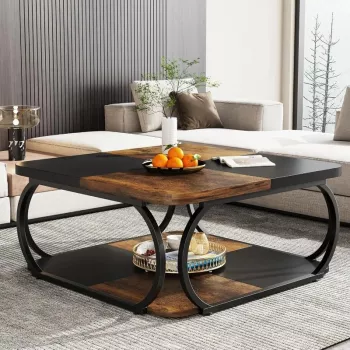
How much clearance should you leave between a 39-inch square coffee table and surrounding seating?
For a 39-inch square coffee table, plan on leaving about 14–18 inches of clearance between the table’s edge and the front of surrounding seating. That range keeps drinks, snacks, and remotes comfortably within reach while still allowing knees and shins to pass without constant bumping. In most living rooms, 16 inches lands in the sweet spot.
Answer: the best spacing for comfort and flow
A 39-inch square coffee table has a generous footprint, so the right clearance matters for both daily comfort and walkability. Use these practical guidelines:
Standard everyday clearance: 14–18 inches
This is the go-to spacing for sofas and most lounge chairs. It supports easy reach from a seated position while keeping the table from feeling like it’s “crowding” the seating.
More walkway room: 18–24 inches (where people pass through)
If one side of the coffee table sits along a common path—like the route to a hallway, kitchen, or front door—give it more breathing room. Around 20–24 inches helps prevent traffic bottlenecks, especially in busy households.
Tighter spaces: 12–14 inches (only if necessary)
In compact apartments or small conversation areas, you can squeeze the gap slightly. Anything under 12 inches tends to feel cramped and makes it harder to get up from the sofa.
Match the clearance to seat depth and style
Deep, low sofas often feel better with slightly more space (closer to 18 inches) because legs extend farther. Upright chairs with shorter seat depth can work well closer to 14–16 inches. If you use reclining seating or ottomans that slide, plan extra clearance so they can move without hitting the table.
For more detailed sizing tips and layout examples, visit the main guide on coffee table clearance.
FAQ
How do you choose the right coffee table size for your sofa?
A good rule is to pick a table about two-thirds the length of the sofa, with a height close to the sofa seat height (or 1–2 inches lower) for easy reach and balanced proportions.











Leave a comment