Sealed vs Loose Ball Pedal Bearings: Key Benefits
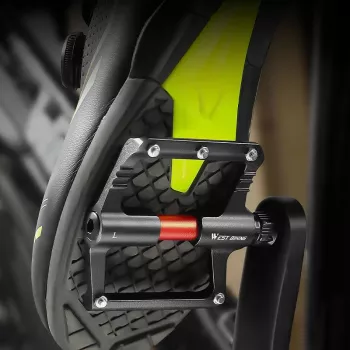
What are the benefits of sealed bearings in bike pedals compared to loose ball bearings?
Sealed bearings in bike pedals are designed as self-contained bearing cartridges that keep grease in and dirt and water out. Compared with traditional loose ball bearings, they typically deliver smoother performance with less maintenance, especially for riders who log miles in wet weather, dusty trails, or gritty city conditions.
Better protection from dirt and water
The biggest advantage is contamination resistance. Sealed bearing cartridges include shields or seals that help block mud, sand, road salt, and wash water from reaching the bearing races. Loose ball setups rely more on external dust caps and careful greasing, so they’re more likely to develop grinding or play if grit gets inside.
Lower maintenance and easier servicing
Loose ball bearings can run beautifully, but they demand periodic cleaning, regreasing, and careful adjustment of cone tension. Sealed bearings generally need less frequent attention, and when they do wear out, service often means pressing out the old cartridge and installing a new one—no tiny balls to chase and no finicky preload adjustments.
More consistent smoothness over time
Because sealed systems resist contamination and keep lubrication where it belongs, they tend to stay smooth longer between services. Riders often notice fewer squeaks, less roughness under load, and reduced side-to-side wiggle developing over the season.
Improved durability for everyday and off-road riding
Pedals live close to the ground and get blasted by spray and impacts. Sealed bearings are commonly paired with robust pedal bodies and spindles, which can help them hold up better to repeated wet rides, creek crossings, and frequent bike washing. Loose ball designs can still be durable, but they’re more dependent on meticulous upkeep to reach the same longevity.
Are there any trade-offs?
Sealed bearing pedals can cost more upfront, and replacement cartridges vary by brand and model. Loose ball pedals are often inexpensive to rebuild with standard parts, making them appealing for riders who enjoy regular maintenance and tuning.
For a deeper breakdown of pedal bearing types and what to expect from each, see the full guide: https://evanele.com/what-are-the-benefits-of-sealed-bearings-in-bike-pedals-compared-to-loose-ball-bearings/.
FAQ
How do you know when bike pedal bearings need replacement?
Common signs include rough or gritty spinning, clicking or creaking under load, and side-to-side play at the pedal body. If cleaning and regreasing doesn’t restore smoothness or remove looseness, the bearings are likely worn.













Leave a comment