AI Cleaning Robot Cost: Price Ranges & Key Features
How much is an AI cleaning robot?
An AI cleaning robot (most commonly a robot vacuum or vacuum-mop combo with smart navigation) typically costs anywhere from about $150 to $1,500. The wide range comes down to how well it maps your home, how much hands-off maintenance it offers, and whether it can both vacuum and mop effectively.
Typical price ranges
Budget: $150–$300
These models usually offer basic app control and simple navigation. They can keep up with light daily dust, but may struggle more with complex layouts, thick carpet, or heavy pet hair. Dustbins are smaller and you’ll empty them often.
Mid-range: $300–$700
This is the “sweet spot” for many households. Expect smarter mapping (room-by-room cleaning), stronger suction, better brush design, and more consistent performance on mixed flooring. Some include basic obstacle avoidance and improved filtration.
Premium: $700–$1,500
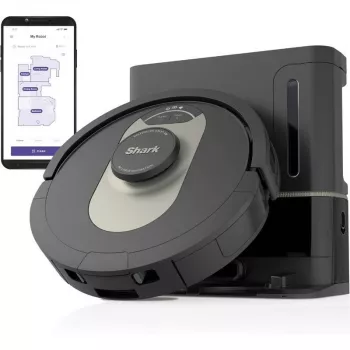
Higher-end robots tend to add advanced obstacle recognition (like cords and pet mess avoidance), more reliable navigation, and dock upgrades such as self-emptying, mop-washing, mop-drying, and water tank refills. If allergies are a concern, better sealed systems and HEPA-style filtration can be a key value driver.
What features move the price up (or down)
Self-empty base: Often adds $200–$400 compared to a similar robot without it, but dramatically reduces weekly upkeep.
Mapping and obstacle avoidance: “Smarter” sensors and cameras typically increase cost, especially for homes with lots of clutter or furniture.
Vacuum + mop capability: Combo units cost more, and the most expensive ones are the docks that wash and dry mop pads automatically.
Filters and dust control: Better filtration and improved sealing can raise the price, especially for shoppers focused on allergens.
For a deeper breakdown of smart navigation, XL HEPA options, and self-empty bases, visit the full guide here: https://evanele.com/guide-ai-robot-vacuum-xl-hepa-self-empty-base-buying-guide/.
FAQ
Is a self-emptying robot vacuum worth the extra cost?
It can be, especially for pet hair or high-traffic homes. A self-empty dock cuts down how often you handle dust and helps the robot maintain performance by keeping the onboard bin from overfilling.













Leave a comment