AI Robot Vacuum + XL HEPA Self-Empty Base Buying Guide
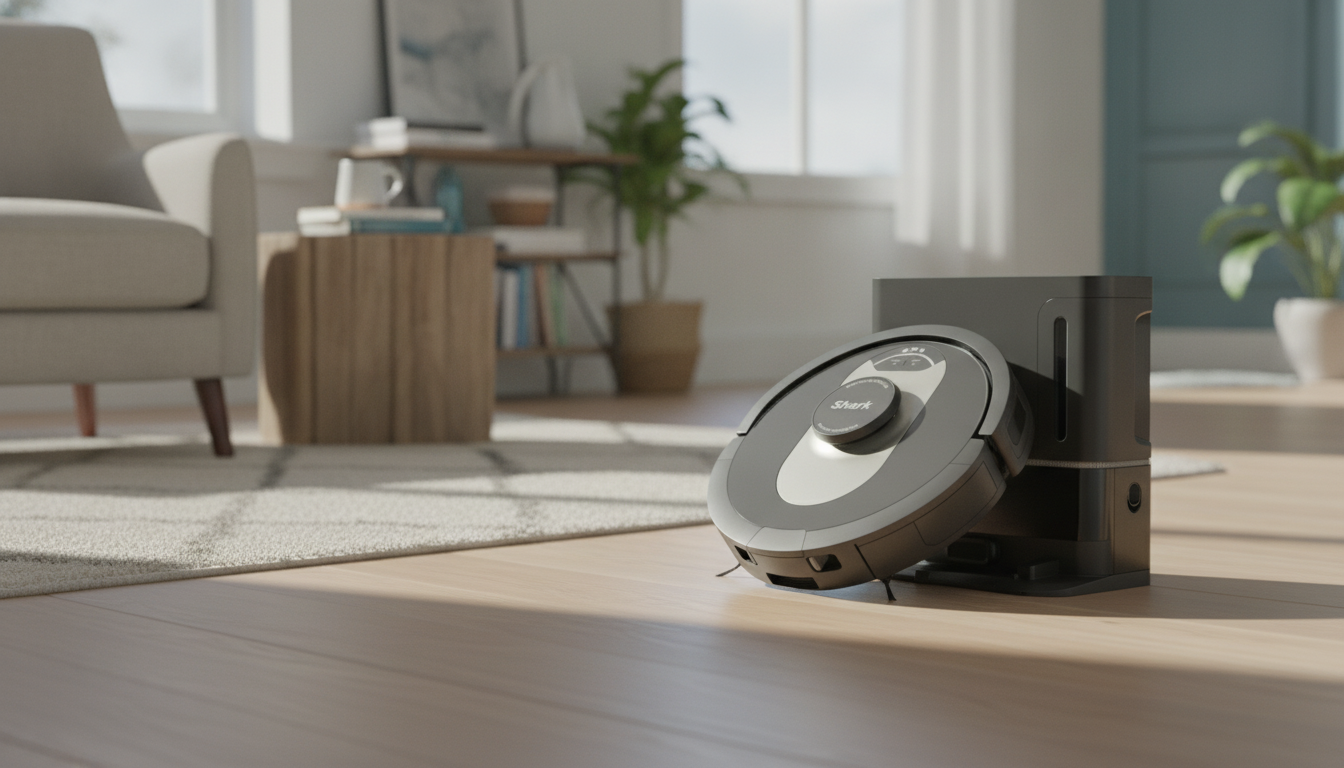
AI Robot Vacuum with XL HEPA Self-Empty Base: Cleaner Floors, Cleaner Air, Less Daily Work
Keeping floors consistently clean is easier when a robot can map rooms, avoid obstacles, and empty itself for days at a time. This guide walks through what an AI-enabled robot vacuum with a HEPA self-empty base is designed to do, what to check before buying, and how to get the best results in homes with pets, allergies, or mixed flooring.
What an AI-enabled robot vacuum changes day to day
Older robot vacuums often relied on semi-random movement. AI-guided models are built to behave more like a “repeatable cleaning appliance” than a gadget—learning the layout, following predictable routes, and reducing the little annoyances that make people stop using robot vacuums.
- Builds a map of the home for repeatable, room-by-room cleaning instead of random passes.
- Adapts routes around furniture and typical clutter to reduce stuck events and missed areas.
- Supports scheduled cleaning that targets high-traffic zones without running the whole home every time.
- Improves consistency for homes with shedding pets and kids by making “light cleaning” automatic.
The practical payoff is consistency. If the vacuum can reliably finish the kitchen after dinner or hit the entryway every morning, floors look better with less effort—and “deep cleaning day” becomes less intense.
Why the XL HEPA self-empty base matters
Self-emptying is one of the biggest quality-of-life upgrades in robot vacuums. Instead of handling a dusty bin every day or two, the robot automatically transfers debris into a larger base after a run. When that base also includes HEPA filtration, emptying can be cleaner and better contained—especially helpful for allergy-sensitive households.
- Reduces how often the dustbin needs to be handled, lowering contact with dust and debris.
- HEPA filtration in the base helps capture fine particles during emptying—useful for allergy-sensitive households.
- Better containment can mean fewer re-released particles compared with frequent manual emptying.
- Larger capacity is a practical advantage in pet homes or larger floorplans.
For HEPA basics and what “HEPA” typically means, see the EPA overview of HEPA filters and additional context from NIOSH.
Self-empty base benefits at a glance
| Feature | What it helps with | Good fit for |
|---|---|---|
| XL dust capacity | Longer time between bag/bin changes | Pet hair, busy schedules, larger homes |
| HEPA filtration | Capturing fine dust and allergens during emptying | Allergies, asthma-sensitive households |
| Automatic transfer | Less daily maintenance and fewer messy bin dumps | Anyone who wants hands-off cleaning |
| Sealed airflow path (typical design) | Better debris containment | Homes with lots of fine dust |
Key features to check before buying
Two robot vacuums can look similar on paper but feel very different at home. Before committing, focus on the features that reduce friction and keep performance stable over time.
- Navigation and mapping: multi-room maps, room naming, and reliable pathing on mixed flooring.
- Obstacle avoidance: performance around cords, socks, pet bowls, and chair legs.
- Filtration: true HEPA vs. “HEPA-like” wording; check replacement filter availability and cost.
- Suction and brush design: balanced pickup on hard floors and carpets; anti-tangle features for long hair.
- Battery and recharge/resume: ability to finish larger areas by recharging and continuing.
- App controls: schedules, no-go zones, room selection, and cleaning history.
- Noise: vacuuming noise plus the short, louder auto-empty cycle—plan around nap time or meetings.
A helpful way to evaluate “real-life fit” is to think about the mess you actually have: pet hair tumbleweeds along baseboards, gritty entry mats, crumbs under a breakfast bar, or fine dust that shows up on dark floors. Prioritize the features that address that specific pain point.
Setup and routines that keep performance high
Even an advanced robot vacuum performs best with a smart setup. The goal is to make docking, mapping, and emptying dependable—so your schedules run without babysitting.
If clutter is the main obstacle (chargers, kids’ toys, or kitchen items), consider reducing “floor drift.” One practical home upgrade is adding storage where drop-zones happen—like an island with shelves and drawers. The Large Kitchen Island Table with Storage can help keep small items off the floor so the robot can complete scheduled runs with fewer interruptions.
Maintenance checklist for cleaner air and fewer clogs
Who this style of vacuum fits best
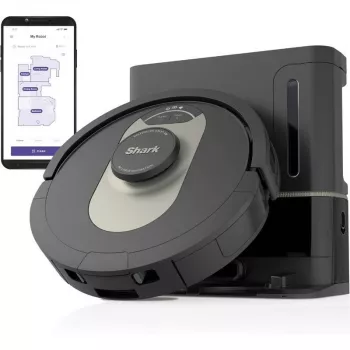
Product spotlight: AI Robot Vacuum with XL HEPA Self-Empty Base
The AI Robot Vacuum with XL HEPA Self-Empty Base is designed to automate routine floor care with AI-guided cleaning and a self-empty station. The XL base capacity reduces how often debris needs to be handled, and HEPA filtration supports cleaner emptying and better containment of fine particles. Best results come from pairing smart schedules with periodic brush and filter upkeep.
Quick details
| Item | Details |
|---|---|
| Product | AI Robot Vacuum with XL HEPA Self-Empty Base |
| Price | $618.01 USD |
| Availability | In stock |
FAQ
Who is the best AI robot?
The best AI robot is the one that matches your home’s needs: dependable mapping, strong obstacle avoidance, and a self-empty system that stays consistent. For allergy- or pet-heavy homes, prioritize sealed dust handling and HEPA filtration; for clutter-prone spaces, prioritize obstacle avoidance and reliable no-go zones.
Where is the Matic robot vacuum made?
Check the manufacturer’s official documentation and the product’s packaging label for the most accurate country-of-origin details, since manufacturing locations can change by production run. Retail listings and regulatory filings may also confirm origin information.













Leave a comment