Do AI Vacuums Work? What to Expect From Smart Bots
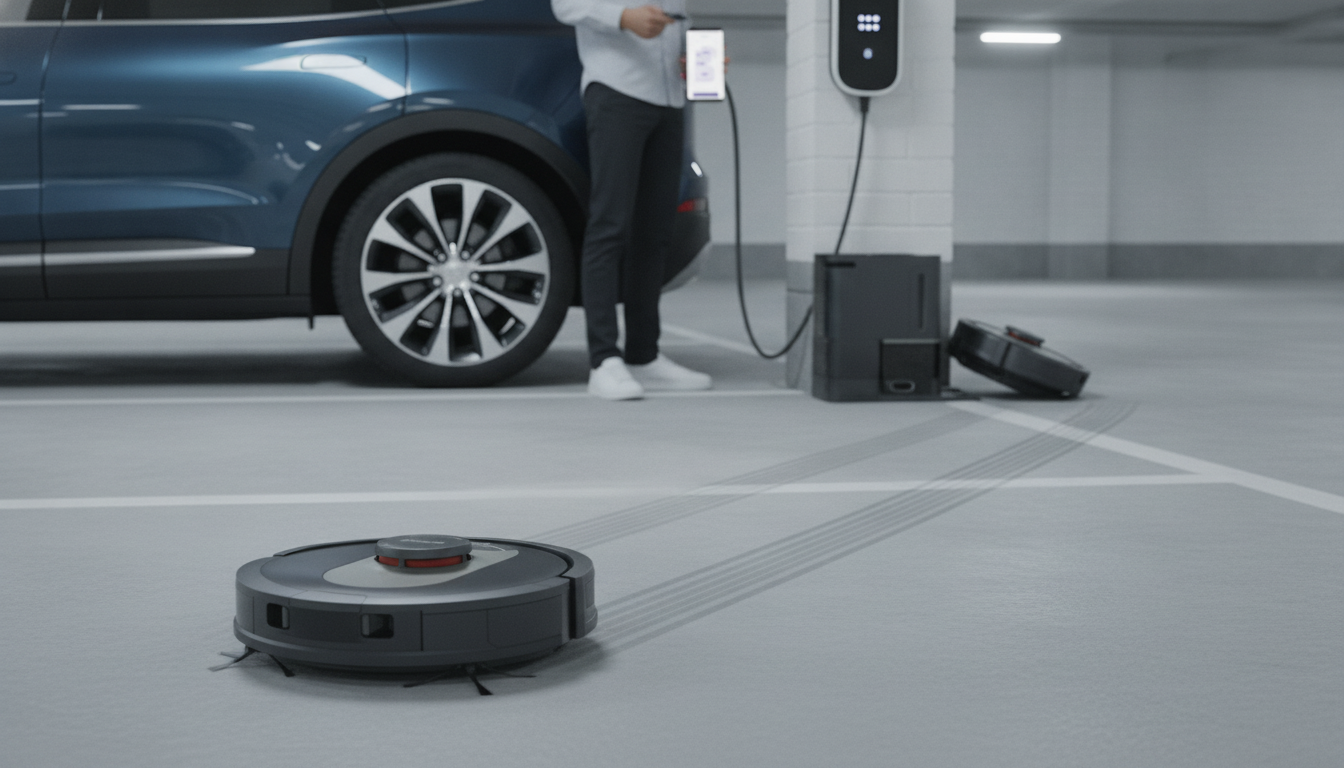
Do AI vacuums work?
Yes—AI robot vacuums work, and the best ones clean noticeably better than older “random bump” bots. The difference is how they navigate and decide where to go next. Instead of wandering until the battery runs low, AI-enabled models use mapping and object recognition to cover rooms in efficient passes, remember your layout, and avoid common obstacles like shoes, cords, and pet bowls.
How AI makes a robot vacuum more effective
Most AI vacuums combine sensors and software to build a map, plan routes, and react to what’s in front of them. In day-to-day use, that usually translates to:
- More complete coverage: Structured cleaning patterns reduce missed strips and repeat passes.
- Fewer interruptions: Better obstacle avoidance means less rescuing the vacuum from stuck spots.
- Room-by-room control: Saved maps make it easier to target kitchens, entryways, or high-traffic zones.
- Smarter timing: Scheduling plus “resume after recharge” helps finish larger homes.
Where AI vacuums can still fall short
“AI” doesn’t automatically guarantee deep cleaning. Performance still depends on suction, brush design, maintenance, and your floors. Thick carpets, heavy pet hair, and cluttered rooms can challenge any robot. Object detection also varies—some models reliably dodge cords and socks, while others may nudge them around or get tangled. And if your home has lots of tight chair legs or thresholds, you may need to set no-go zones or add small ramps.
What to look for if you want one that actually delivers
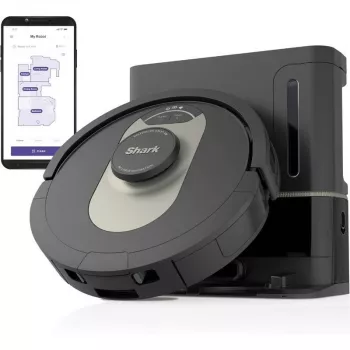
For most homes, the most practical upgrades are accurate mapping, strong hair pickup, and convenience features that keep the vacuum running with less hands-on work. Self-empty bases are a major quality-of-life improvement, and better filtration matters if you’re sensitive to dust. For a deeper breakdown of AI navigation, XL HEPA options, and self-empty bases, see the full guide here: AI robot vacuum buying guide.
FAQ
Are self-empty robot vacuums worth it?
They’re worth it for busy households and pet owners because they reduce daily bin emptying and keep suction more consistent between maintenance check-ins.













Leave a comment