Best Shoe Sizes for a Tall 9-Tier Shoe Cabinet
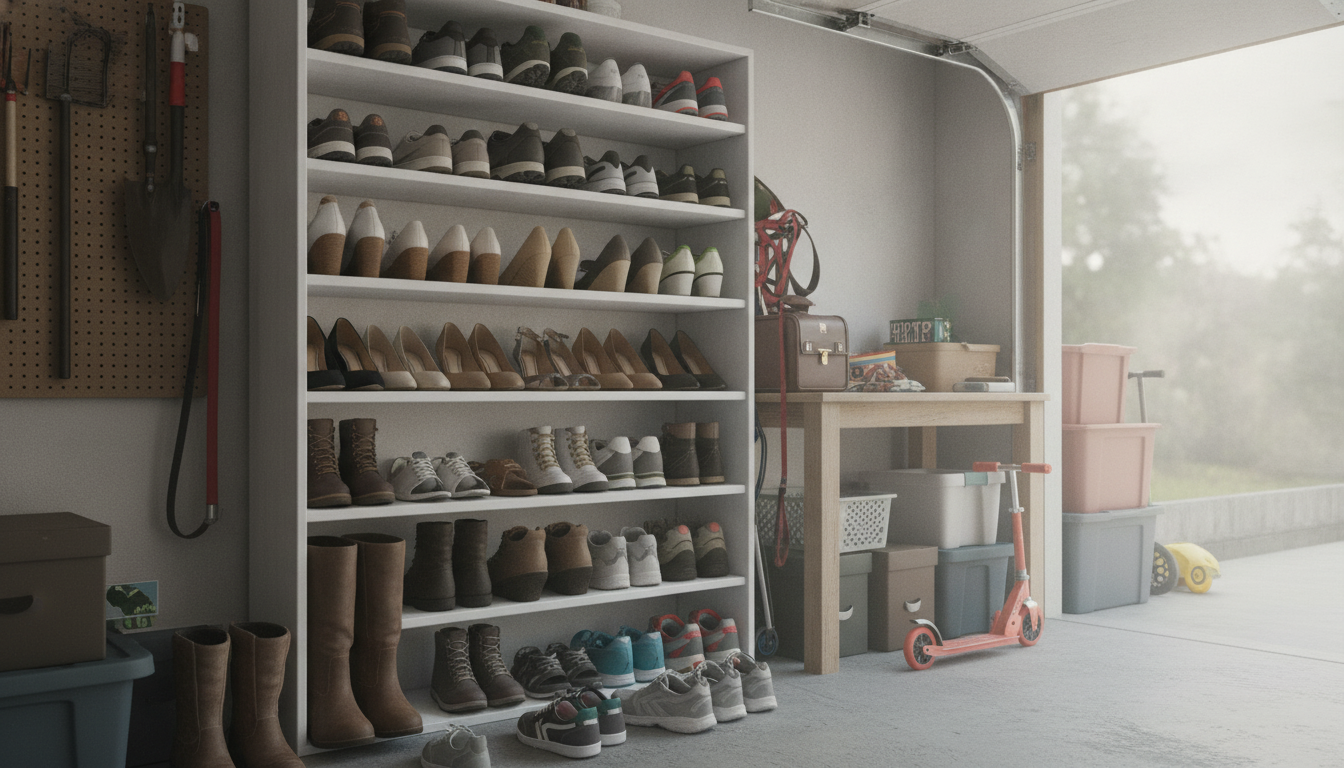
What shoe sizes and types fit best in a tall 9-tier shoe cabinet (boots, heels, sneakers)?
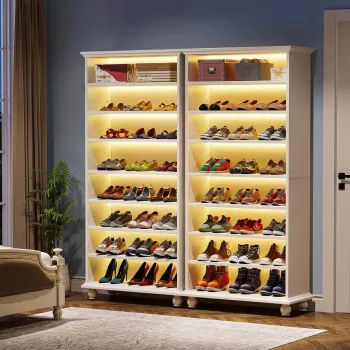
A tall 9-tier shoe cabinet is built to store everyday pairs vertically without eating up entryway floor space. The best fit comes down to two things: the cabinet’s internal shelf height and the overall length of the shoe. In most tall, slim cabinets, standard adult shoes (roughly men’s US 6–12 and women’s US 5–11) fit comfortably, while extra-long sizes or bulky winter boots may need special placement.
Sneakers
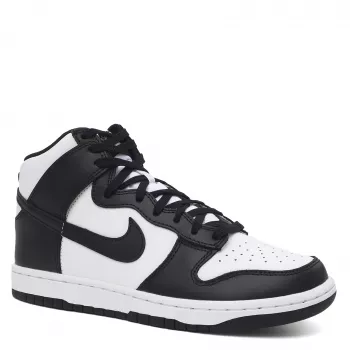
Low-top sneakers and trainers are usually the easiest match for a multi-tier cabinet. Most adult sizes up to about men’s US 12 (and many US 13s, depending on the shoe’s silhouette) store well as long as the pair isn’t extra wide or heavily padded. Chunky “dad” sneakers and high-top basketball styles can still work, but they may require a taller compartment or a shelf adjustment to avoid pressing on the upper.
Heels
Pumps, kitten heels, and most sandals fit neatly because they’re narrow through the toe and midfoot. For stilettos, the main concern is protecting the heel tip: position pairs so the heel doesn’t catch on the back panel or tilt against the door. Block heels and wedges take more vertical and horizontal room, so they’re best stored toe-forward with a little clearance above the shoe to prevent scuffs.
Boots
Ankle boots and short booties are typically fine in a tall cabinet, especially if shelves can be spaced slightly farther apart. Mid-calf and knee-high boots are the hardest to fit in a 9-tier design unless there’s a dedicated tall bay. A practical workaround is to store taller boots laid on their side (if depth allows) or reserve a lower, taller compartment for one boot per slot to protect the shafts from creasing.
Fit tips for a cleaner close
Place bulkier pairs (platforms, thick-soled sneakers, wide boots) on lower tiers for easier loading. Keep delicate materials like suede and patent away from edges that can rub, and avoid overpacking—doors close best when each tier has a little breathing room.
For a closer look at how a tall 9-tier cabinet is designed for small entryways, see the full guide here: https://evanele.com/guide-9-tier-tall-shoe-cabinet-with-leds-for-small-entryways/.
FAQ
How do you keep shoes from smelling inside a closed shoe cabinet?
Let shoes dry completely before storing, rotate pairs so they can air out between wears, and add a small deodorizer like activated charcoal or cedar. Wiping down insoles occasionally also helps reduce odor buildup.










Leave a comment