Best Leather for Wallets: Full-Grain vs Top-Grain
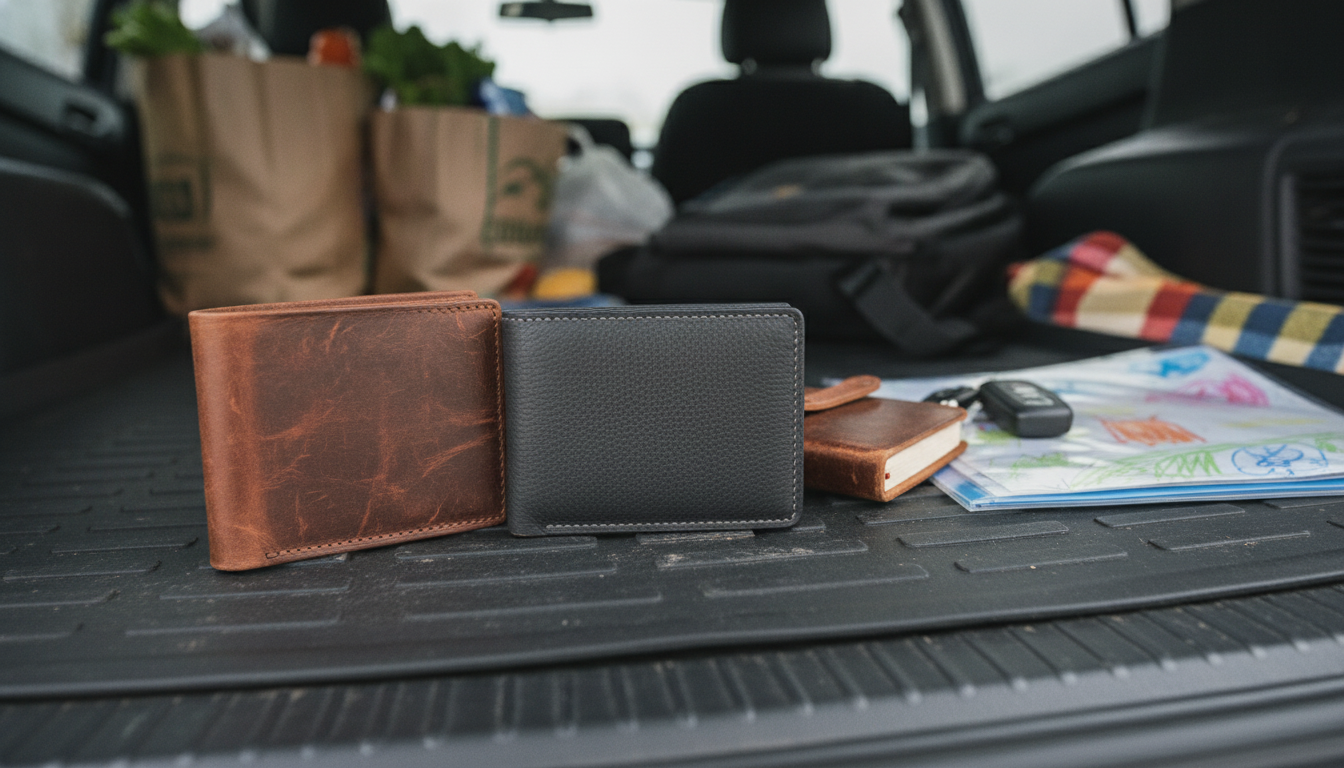
What leather is best for wallets?
The best leather for a wallet is full-grain leather, especially from cowhide. It’s the strongest cut (the outermost layer of the hide), so it resists tearing, develops a rich patina, and can handle years of daily pocket wear without looking “worn out” in a bad way. If long-term durability and a classic look matter most, full-grain is the top pick.
Full-grain leather: the durability standard
Full-grain leather keeps the natural grain intact, which is where much of the hide’s strength lives. Scuffs tend to blend in over time, and the surface darkens and smooths into a personalized patina. For minimalist card holders and traditional bi-folds alike, it’s a dependable option that ages gracefully rather than peeling or flaking.
Top-grain leather: smoother, still reliable
Top-grain leather is sanded and finished to create a more uniform, polished appearance. It’s still high quality and typically more stain-resistant than full-grain, but it may not develop as pronounced a patina. If a sleek, consistent look is the priority—especially for dressier wallets—top-grain is a strong choice.
Vegetable-tanned vs. chrome-tanned: feel and aging
Vegetable-tanned leather often starts firmer and light in color, then darkens beautifully with use. It’s popular for heritage-style wallets and structured designs. Chrome-tanned leather is usually softer and comes in a wider range of colors, often with improved water resistance, making it practical for everyday carry in humid or rainy conditions.
What about suede or specialty leathers?
Suede and other napped leathers can look luxurious, but they’re more prone to marks and moisture staining than smooth leathers. If considering suede in a compact wallet design, look for thoughtful construction and protective details. For a deeper look at refined wallet materials and design elements, see this guide: https://evanele.com/guide-miu-miu-suede-wallet-zippered-pockets-monogram-embossing/.
FAQ
How do you take care of a leather wallet?
Wipe it with a soft, dry cloth regularly and keep it away from prolonged moisture and heat. Condition smooth leather occasionally with a small amount of leather conditioner, and let it dry naturally if it gets damp.










Leave a comment