Double Wool Meaning: Fabric, Warmth & Uses
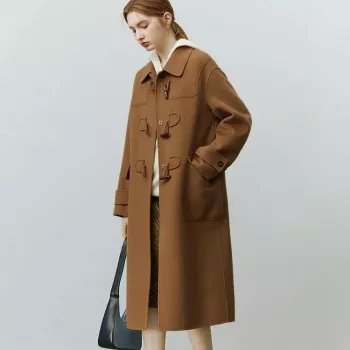
What does double wool mean?
“Double wool” most often means a textile made with two layers of wool fabric that are woven or bonded together to act like one material. The result is a cloth that looks refined on both sides, feels substantial in the hand, and generally offers more warmth and structure than a single-layer wool of similar weight. You’ll commonly see double wool used for outerwear like coats and jackets because it can hold its shape, drape cleanly, and provide insulation without always needing a bulky lining.
How double wool is made
Double wool (also called double-faced or double cloth in some contexts) is created by weaving two fabric layers simultaneously and then connecting them at certain points, or by carefully bonding/finishing two layers so they behave as a single fabric. Depending on the mill and finishing method, the layers may be lightly tacked together, felted to reduce bulk, or left with a subtle separation for loft and warmth. Because both faces are intended to be seen, the fabric is often finished to look clean and premium on each side.
What “double” changes: feel, warmth, and durability
Compared with standard wool, double wool tends to be:
- Warmer: Two layers trap more air, improving insulation.
- More structured: It can create a smoother silhouette and resist wrinkling better.
- More opaque: The extra layer reduces show-through and can feel more substantial.
- More versatile visually: Many double wool fabrics are attractive on both sides, which can support reversible designs or clean, unlined finishes.
Where you’ll see double wool on products
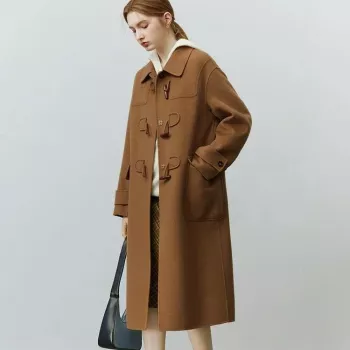
Product listings may use “double wool” to signal that a coat is made from a thicker, two-layer wool construction rather than a single thin wool fabric. That can translate into better wind resistance, a smoother outer surface, and edges that can be finished neatly (sometimes with minimal lining). For a deeper breakdown of how the term is used across garments and fabrics, see the main guide here: https://evanele.com/what-does-double-wool-mean/.
FAQ
Is double wool the same as double-faced wool?
Often, yes. “Double-faced” commonly refers to a double-layer wool cloth finished so both sides look wearable, though exact construction can vary by brand and mill.












Leave a comment