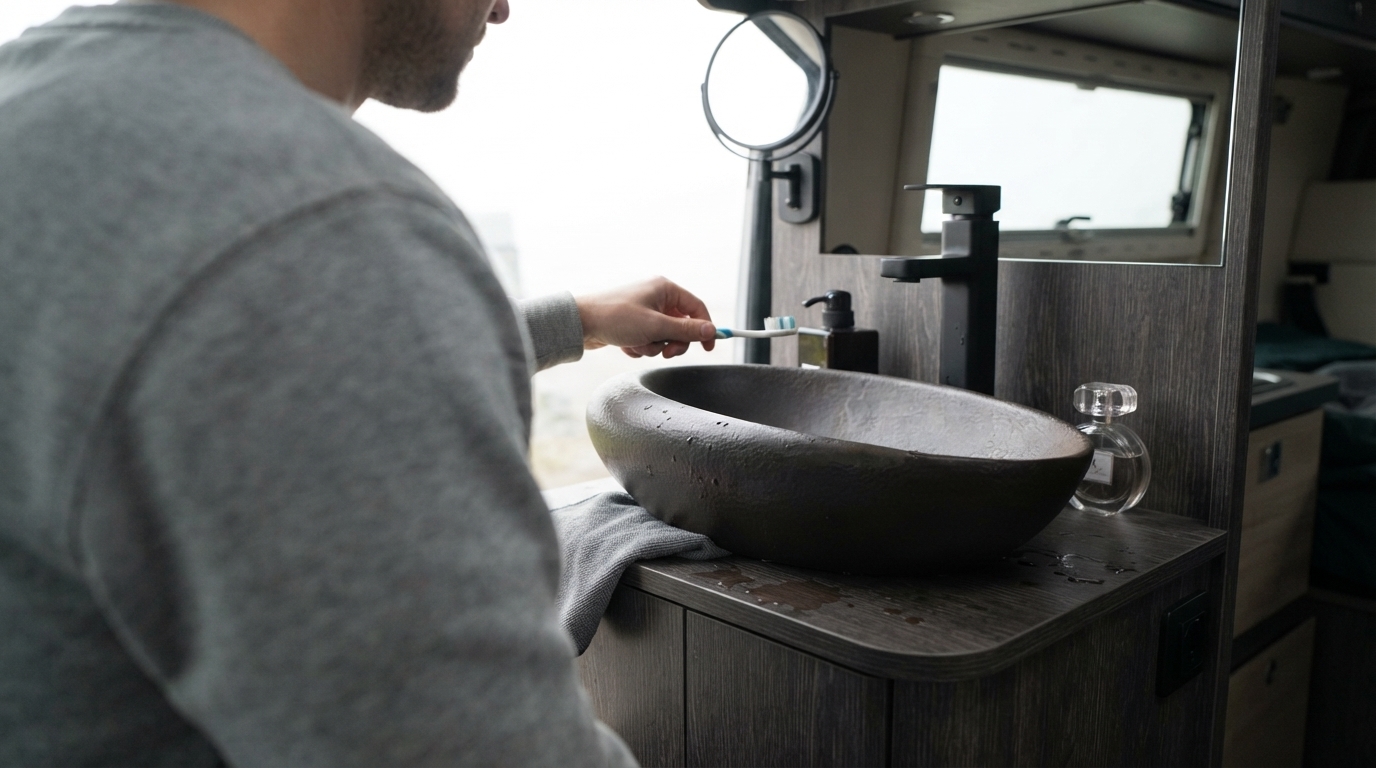
Vessel sinks can look sleek and sculptural, but they come with trade-offs that matter in daily use. Before choosing one, it helps to weigh the most common drawbacks—especially around height, cleaning, and faucet compatibility.
Because the bowl sits on top of the counter instead of being dropped in, the rim ends up higher. That added height can be uncomfortable for kids, shorter adults, or anyone who prefers a lower basin for face washing or shaving. In some bathrooms, it may also require a lower vanity to keep the overall sink height reasonable.
Vessel sinks are often paired with taller faucets, and the water falls farther into the bowl. If the faucet is positioned too high, angled poorly, or has strong flow, splashing can become a frequent annoyance—especially with shallower vessel designs.
With a vessel sink, there’s usually an exposed “footprint” where the bowl meets the countertop. Water spots, soap residue, and grime can collect around the base and behind the sink where hands and sponges don’t reach as easily. The outer sides of the bowl also add more surface area to wipe down.
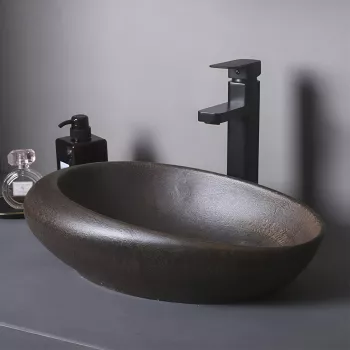
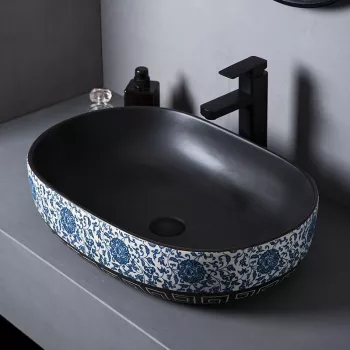
Not every faucet works well with a vessel sink. You typically need a taller vessel faucet or a wall-mount option, and the spout reach has to land water near the center of the bowl. Drain parts can also be more visible, so finishes and fit matter more than with an undermount setup. For practical guidance on choosing a faucet, fit, and daily care, see this vessel sink guide.
Since the sink sits on the counter, it occupies usable surface area. In smaller vanities, that can reduce room for soap dispensers, toothbrush holders, or cosmetics, making the countertop feel more crowded.
Tempered glass models are fairly durable for normal bathroom use, but they can chip or crack if struck with a heavy object. Avoid dropping metal tools or hard toiletry containers into the bowl, and keep impact risks low around the rim.





Leave a comment