Double vs Single-Breasted Wool Coats: Which Is Warmer?
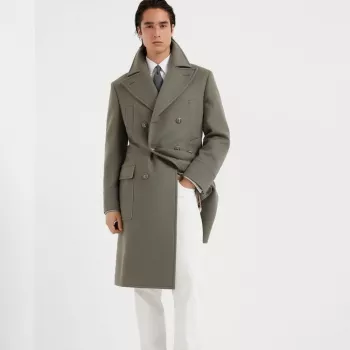
Is a double-breasted wool coat warmer than a single-breasted wool coat?
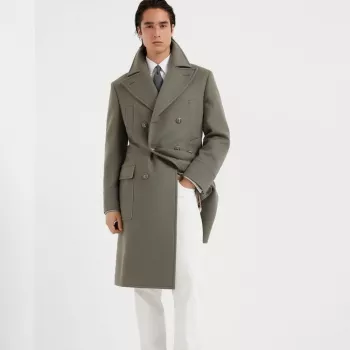
Often, yes—a double-breasted wool coat can feel warmer than a single-breasted version because it has an overlapping front panel that adds an extra layer over the core. That overlap reduces wind penetration around the chest and midsection, which is where cold air tends to slip in first.
What makes a double-breasted coat feel warmer?
The main advantage is coverage. Two columns of buttons typically mean a wider wrap across the torso, creating a built-in “double layer” of wool where the fronts cross. That added fabric can trap more warm air and create a tighter seal when the coat is fully buttoned, especially on blustery days.
Many double-breasted designs also feature a higher stance of the front closure and broader lapels. When worn closed, the lapels and overlap can help guard the neckline and upper chest, improving comfort in cold wind even if the wool weight is similar.
When a single-breasted coat can be just as warm (or warmer)
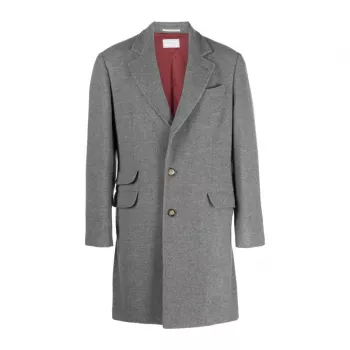
Warmth isn’t determined by breasting alone. A single-breasted wool coat can match or outperform a double-breasted coat if it uses a heavier wool, a denser weave, a warmer lining (like quilted or insulated), or better construction that blocks drafts at the front closure.
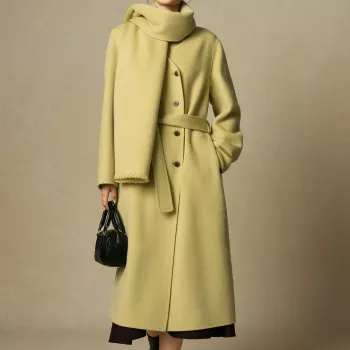
Fit matters, too. A coat that’s snug through the shoulders and chest with enough room for layering will retain heat better than a looser coat with gaps that let air circulate. Length also plays a role: a longer single-breasted coat can feel warmer overall than a shorter double-breasted style simply because it covers more of the body.
How to choose for real-world cold
If you want maximum wind protection and a naturally cozier front, double-breasted is a strong pick. If you prioritize easy layering, simpler fastening, or a lighter feel indoors, a single-breasted coat can be the better daily option—especially if the wool is substantial and the lining is doing real work.
For a deeper dive into details like fabric, structure, and how double-breasted wool coats are designed to wear, see the full guide here: https://evanele.com/guide-brunello-cucinelli-double-breasted-wool-coat-guide/.
FAQ
Does wool weight (like 500g vs 800g) matter more than the number of buttons?
Yes. Heavier, denser wool usually provides more warmth and wind resistance than a lighter fabric, regardless of whether the coat is single- or double-breasted.










Leave a comment