20-Inch Rolling Suitcase: Carry-On Size for Most Airlines?
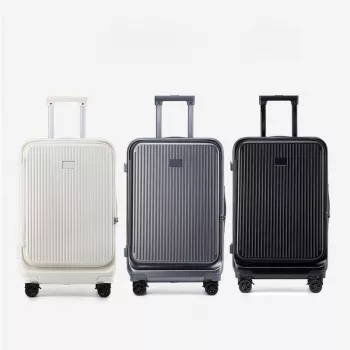
Is a 20-inch rolling suitcase considered carry-on size for most airlines?
Usually, yes—a 20-inch rolling suitcase is commonly sold and used as a carry-on. Most major airlines set carry-on limits around 22 x 14 x 9 inches (including wheels and handles), and many “20-inch” suitcases are designed to fit within or close to those caps.
That said, “20-inch” typically refers to the body height of the case, not the full exterior measurement. Wheels, corner protectors, and an extended handle housing can add extra inches, and airlines measure the suitcase’s total outside dimensions. A 20-inch spinner can also look compact but run slightly wide or deep, which matters just as much as height.
What to check before flying with a 20-inch suitcase
1) Total dimensions (not the labeled size)
Find the manufacturer’s listed exterior measurements (height x width x depth), then compare them to your airline’s carry-on policy. If the suitcase is expandable, measure it both zipped and expanded—expanded mode often pushes a carry-on over the limit.
2) Weight limits (especially on international routes)
Many U.S. airlines don’t publish a strict carry-on weight limit, but several international and regional carriers do. A sturdy hardshell 20-inch case can get heavy once packed, so weigh it if you’re flying a weight-restricted airline.
3) Aircraft type and “small bin” rules
Even a compliant 20-inch carry-on may be gate-checked on smaller planes with limited overhead space. If your itinerary includes regional jets, plan for the possibility of a gate check and keep essentials in a personal item.
Want a deeper size-and-features breakdown?
For a practical look at how a 20-inch front-opening trolley suitcase is designed for travel (including details that affect real-world carry-on fit, like wheels, structure, and locks), see the guide here: https://evanele.com/guide-front-opening-20-inch-trolley-suitcase-password-lock/.
FAQ
What’s the difference between a carry-on and a personal item?
A carry-on goes in the overhead bin, while a personal item must fit under the seat in front of you. Personal items are usually smaller (like a backpack, tote, or laptop bag) and have tighter size limits than carry-ons.















Leave a comment