App-Controlled Self-Cleaning Litter Box: How It Works
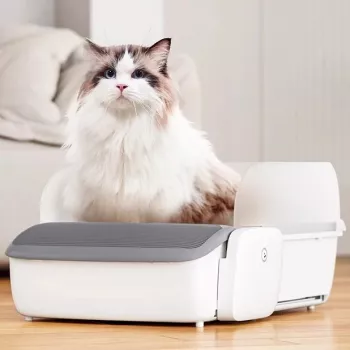
How does an app-controlled self-cleaning cat litter box work?
An app-controlled self-cleaning cat litter box automates scooping by combining sensors, a motorized cleaning mechanism, and a companion smartphone app. After your cat uses the box, the unit waits a preset “cooldown” period so clumps can form, then runs a cleaning cycle that separates waste from clean litter and deposits it into a sealed waste compartment. The app lets you customize timing, monitor activity, and receive alerts without hovering over the box.
What happens from the moment your cat enters?
Most models use weight sensors, infrared sensors, or motion detection to recognize when a cat steps in and when it has left. This detection is a safety feature as much as a convenience: the box typically won’t run while a cat is inside, and many units will pause or reverse if they sense movement during a cycle.
How the cleaning mechanism removes waste
After the cooldown, a motor turns a drum, moves a rake, or rotates a sifting screen (the exact method varies by design). Clumped litter and solids are separated from clean granules. The waste is pushed or dropped into a covered bin lined with a bag or fitted with a removable drawer. Because the waste compartment is enclosed, it helps reduce odor and makes disposal a quick “pull-and-tie” task when the bin reaches its fill level.
What the app actually controls
The app typically connects over Wi‑Fi or Bluetooth and acts as the box’s command center. Common controls include setting the delay before cleaning, choosing automatic vs. manual cycles, enabling a “sleep” period to avoid nighttime runs, and adjusting notification preferences. Many apps also display usage history so you can spot changes in bathroom frequency that may warrant attention.
Maintenance you’ll still need to do
Self-cleaning doesn’t mean zero-maintenance. You’ll still refill litter, empty the waste bin, wipe down sensors and the interior, and occasionally deep-clean the drum or rake area. Keeping the right litter depth and using compatible clumping litter also helps the mechanism sift efficiently.
For a deeper walkthrough of features, setup, and day-to-day use, visit https://evanele.com/how-does-an-app-controlled-self-cleaning-cat-litter-box-work/.
FAQ
Do app-controlled self-cleaning litter boxes work with any type of litter?
Most perform best with clumping litter that forms firm clumps the sifting system can separate. Non-clumping, pellet, or very lightweight litters may not sift correctly and can increase dust or tracking depending on the model.











Leave a comment