Printable Study Habits Planner: Easy Homework Routine
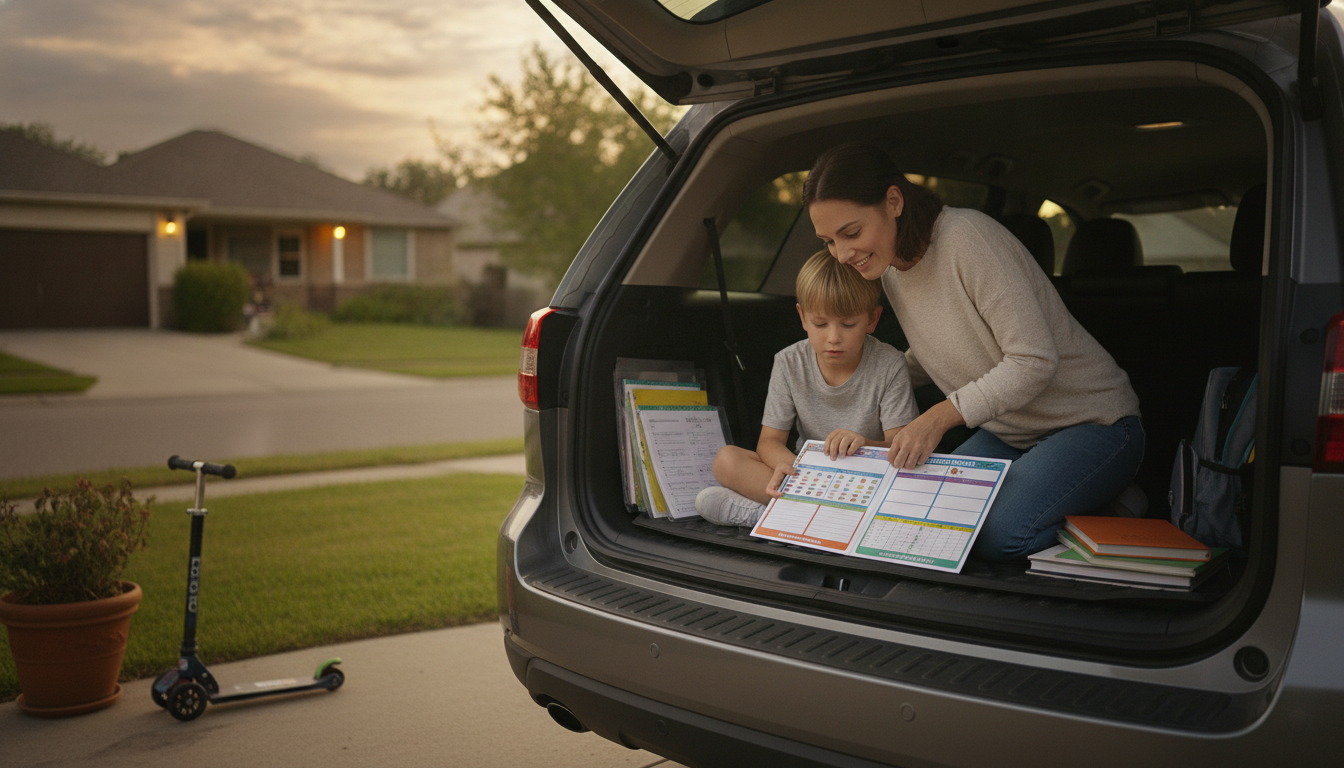
How do I set up a homework routine at home using a printable study habits planner?
A printable study habits planner works best when it’s tied to a predictable rhythm: same place, same start time, and the same quick check-in before your child begins. Instead of trying to overhaul everything at once, use the planner to make small decisions visible—what to do first, how long to work, and what “done” looks like today.
1) Pick one consistent “homework window”
Choose a start time that fits your household energy (after a snack, after sports, or after a short decompression break). Write the window on the planner (for example, 4:30–5:30). Consistency matters more than perfection; if the time shifts, update it for that day rather than abandoning the routine.
2) Set up a simple, repeatable workspace
Use the planner to list a quick setup checklist: water, pencils, charger, and any class folders. Keeping the same spot reduces friction, and the checklist prevents repeated trips that break focus.
3) Break homework into short, trackable blocks
On the planner, divide assignments into “first/next/last” and estimate minutes for each. Many kids do well with 15–25 minute focus blocks followed by a 3–5 minute reset. Add a checkbox for each block so progress feels concrete.
4) Add a start-up routine and an end-of-day wrap-up
Use two small planner sections: “Start” (review agenda, choose first task, set timer) and “Finish” (pack backpack, place completed work by the door, note questions for the teacher). That closing routine is where a lot of missed assignments get prevented.
5) Keep the planner visible and review it together
A 2-minute parent check-in is enough: confirm priorities, then step back. For more ideas on calm routines and supportive study habits, visit this homework help guide for parents.
FAQ
How to create a homework routine?
Pick a consistent daily start time, use the same homework spot, and write a short plan (what to do first, how long it should take, and what to pack when finished). Review the plan briefly, then let your child work through it with minimal interruptions.















Leave a comment