Prada Nylon Pants: Water-Resistant vs Quick-Drying
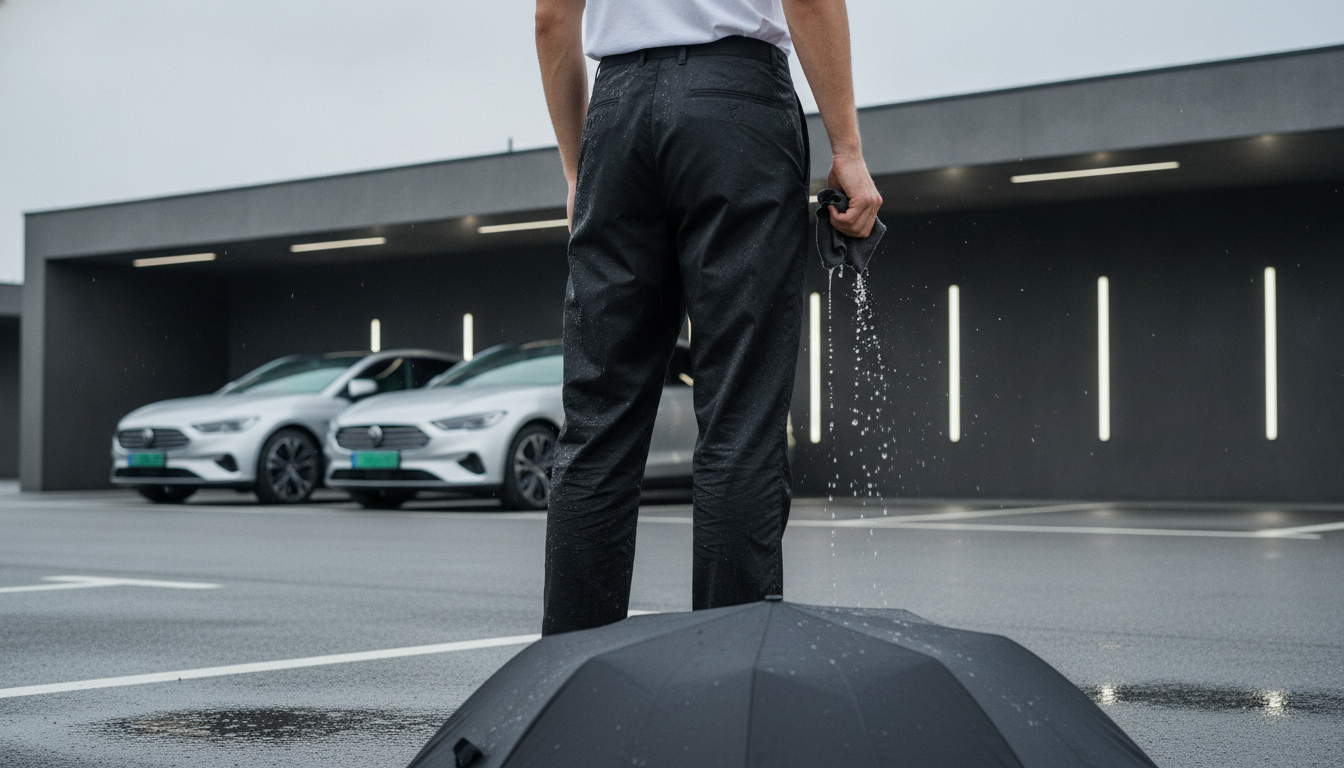
Are Prada nylon pants water-resistant or just quick-drying?
Most Prada nylon pants fall into the “water-resistant” and “quick-drying” camp—but they typically aren’t fully waterproof. Prada’s signature nylon (often listed as Re-Nylon or technical polyamide) is a tightly woven synthetic fabric that naturally sheds light moisture better than many natural fibers. That means drizzle, splashes, or a brief walk through damp conditions may bead up and roll off at first, especially on newer pairs or styles with a tighter weave and cleaner finish.
What “water-resistant” usually means for Prada nylon
Water-resistant doesn’t guarantee total protection. In practice, it suggests the fabric can resist penetration for a short time, but water can eventually soak through—especially at seams, zippers, pocket openings, and areas that rub (like knees and seat). If the pants include a DWR (durable water repellent) finish, they’ll repel water more noticeably when new, but that performance can fade over time with washing, abrasion, and grime buildup.
Where “quick-drying” fits in
Quick-drying refers to what happens after the fabric gets wet. Nylon fibers don’t absorb much water compared to cotton, so moisture tends to sit on the surface and evaporate faster. If you’re caught in rain long enough for the pants to wet out, nylon generally dries sooner—making it a practical option for travel, commuting, and day-to-day wear.
How to tell what your specific pair can handle
Check the product details and care label for clues like “water-repellent,” “technical fabric,” taped seams (rare on fashion pants), and coated finishes. A lined construction can feel warmer and may slow drying slightly, while unlined nylon often dries fastest. Also consider fit: wider legs allow airflow, which helps evaporate moisture.
Best use expectations
Prada nylon pants are well-suited for light rain and unpredictable weather, but they’re not a substitute for true rain gear. For prolonged downpours, you’ll want fully waterproof outerwear or pants designed with membranes and sealed seams.
For a deeper breakdown of materials, finishes, and what to look for on listings, visit the full guide here: https://evanele.com/are-prada-nylon-pants-water-resistant-or-just-quick-drying/.
FAQ
How do you restore water repellency on nylon pants?
Wash them according to the care label to remove oils and residue, then consider a fabric-safe DWR spray designed for synthetics. Light heat (if allowed by the label) can also help some finishes perform better, but avoid high temperatures that can damage nylon.













Leave a comment