Vintage Versace Shirts: Value, Collectibility & Resale

Are vintage Versace shirts valuable?
Vintage Versace shirts can be valuable, and the best examples often sell for a meaningful premium compared with typical secondhand designer tops. Value usually comes from a mix of scarcity, unmistakable brand design language, condition, and proof that the piece is genuinely Versace. Older logo-centric polos, bold prints, and recognizable Medusa or Greca-era styling tend to attract steady collector demand, especially when sizing and wearability fit modern wardrobes.
What makes a vintage Versace shirt worth more?
The biggest drivers are authenticity, condition, and how recognizable the design is. Clear, iconic branding (for example, a clean monochrome logo polo look) is easier to identify and style, which can widen the buyer pool. Limited production runs, older seasons, and pieces tied to a distinctive Versace aesthetic can also command higher prices.
Condition matters more than many shoppers expect: fading, stretched collars, pilling, or altered hems can cut value quickly. On the other hand, a well-preserved shirt with crisp graphics, intact stitching, and original tags (when available) is more likely to be treated as collectible rather than “just used.”
Which vintage Versace shirts are most collectible?
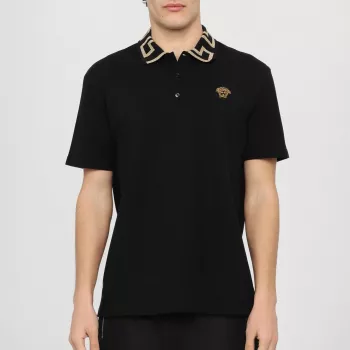
Pieces that read as unmistakably Versace tend to be most sought after—think signature motifs, strong logo executions, and premium fabrications. Classic polos are popular because they’re wearable, easy to authenticate visually, and often photographed well for resale. If you’re comparing styles, a focused reference point is the brand’s monochrome logo cotton polo shirt, which illustrates the kind of clean, recognizable branding that commonly performs well on the resale market.
For a closer look at that specific style and the details shoppers usually care about, see this guide to the Versace monochrome logo cotton polo shirt.
How to estimate resale value before buying or selling
Start with recent sold prices for the same (or extremely similar) shirt, not active listings. Then adjust for size demand, fabric condition, and completeness (tags, receipts, provenance). Small issues—like collar wear on a polo or tiny pinholes—can move pricing tiers. If the shirt is a common design with heavy wear, it may still sell, but the “vintage” label alone won’t guarantee a premium.
FAQ
How can you tell if a Versace shirt is authentic?
Check the quality of stitching and fabric, verify labels and inner tags match known Versace formats, and compare logos and prints to verified examples. When possible, confirm with original purchase documentation or a reputable authentication service.














Leave a comment