Does Quick Dry Really Work for Microfiber Bath Mats?
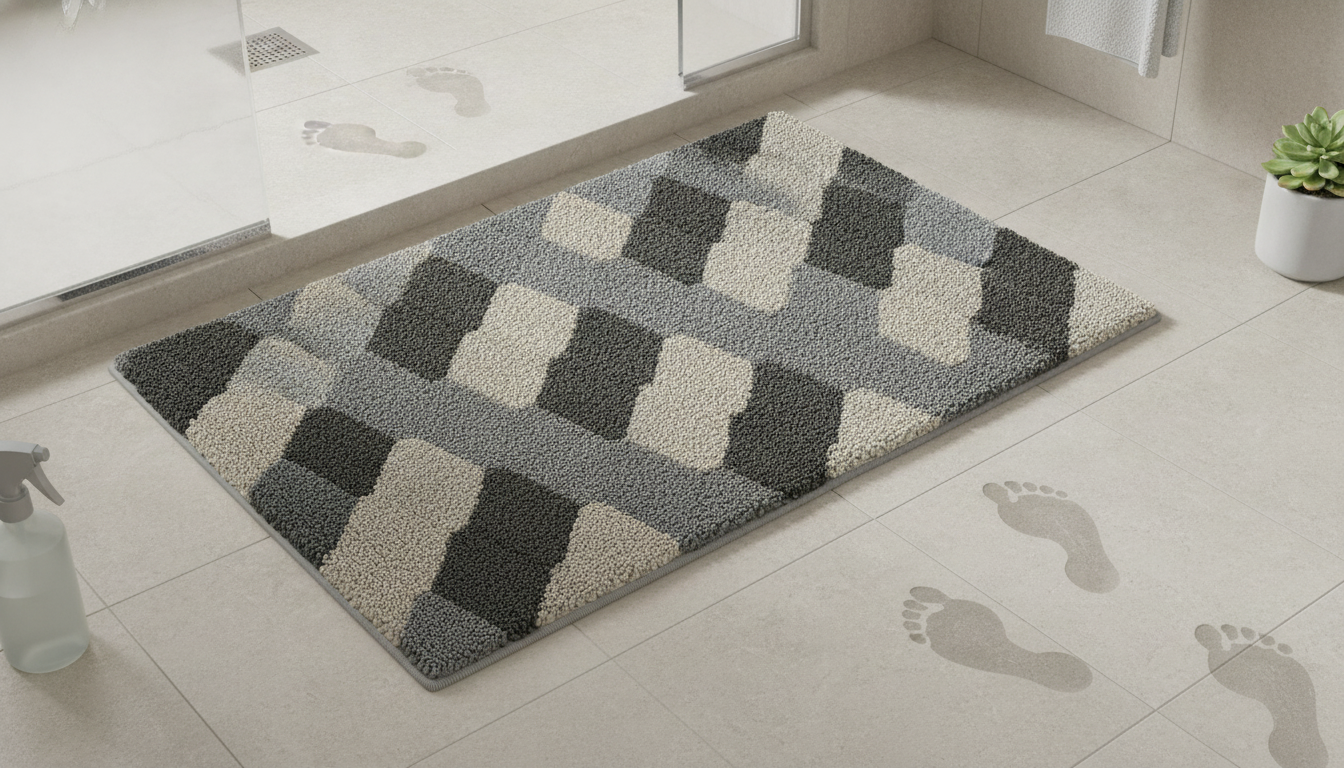
Does quick dry really work?
Yes—when a product is designed for it, “quick dry” can absolutely work. The key is how fast moisture can move away from the surface and then evaporate. In bathroom products like microfiber bath mats, that performance usually comes from a combination of fiber structure, thickness, and how the mat is built underneath.
Why some “quick dry” items dry faster than others
Quick-drying materials typically spread water out across more surface area instead of letting it pool. When moisture is dispersed, air can reach it from more angles, which speeds evaporation. Microfiber is often used because its fine fibers can wick water efficiently, helping the mat feel less soggy after a shower compared to heavier, more absorbent pile fabrics.
What to look for to know it’s working
A truly quick-dry bath mat should feel noticeably less damp within a reasonable window after use, especially in a well-ventilated bathroom. It should also resist that “wet towel” smell that can develop when water stays trapped. Construction matters: a dense, overly thick mat may hold more water and take longer, while a mat engineered to balance absorbency and airflow can dry faster between uses.
What can slow quick-dry performance
Even the best quick-dry material can struggle in a humid bathroom with little airflow, or if the mat is placed on a surface that blocks ventilation underneath. Frequent back-to-back showers can also overwhelm any mat’s drying capacity. Simple habits—like hanging the mat to air out or ensuring it’s not pressed tightly against a tub edge—can make the “quick dry” feature more noticeable.
For a deeper breakdown of materials, design features, and what to expect from microfiber options, visit the full guide here: https://evanele.com/guide-quick-dry-non-slip-microfiber-bath-mat-rug-guide/.
FAQ
What makes a bath mat dry faster?
Fast drying usually comes from moisture-wicking fibers (like microfiber), a thickness that doesn’t trap water, and enough airflow around and under the mat to let evaporation happen quickly.













Leave a comment