9-Tier Shoe Cabinet Capacity: How Many Pairs Fit?
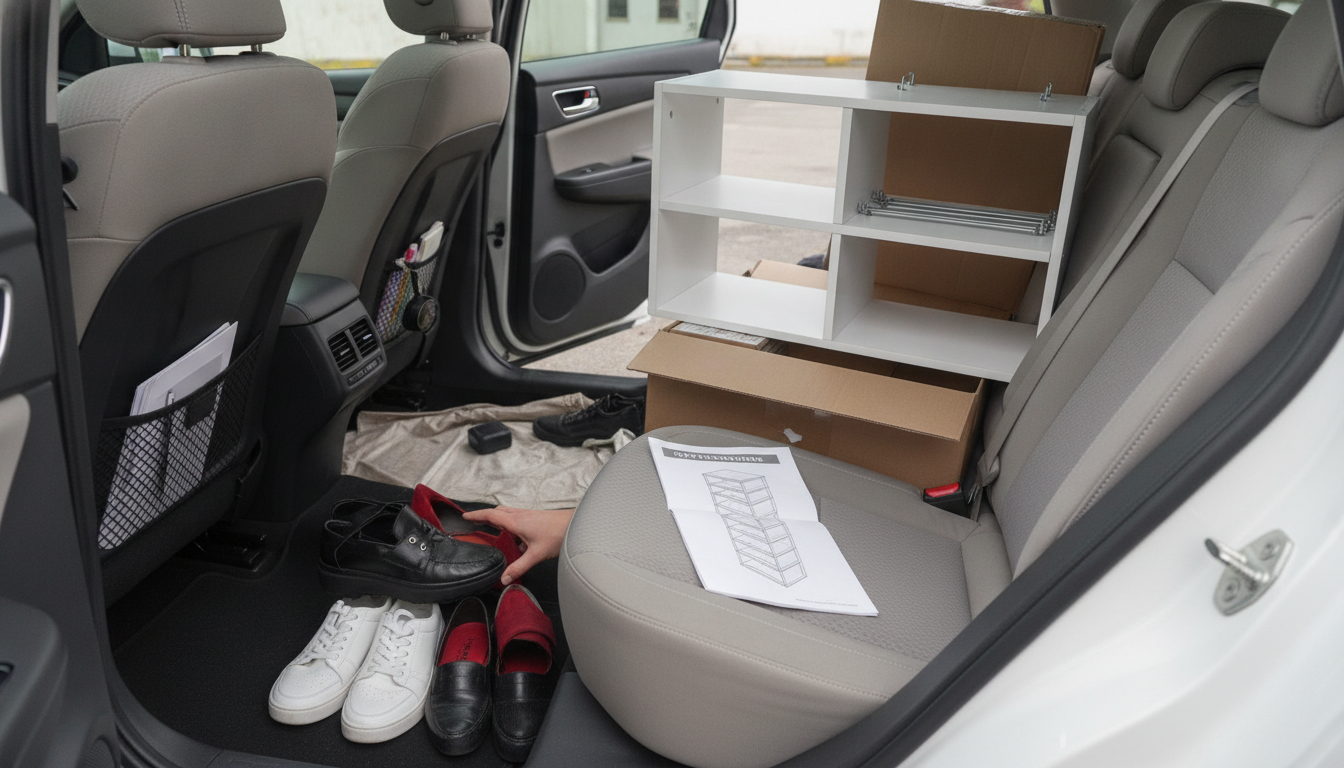
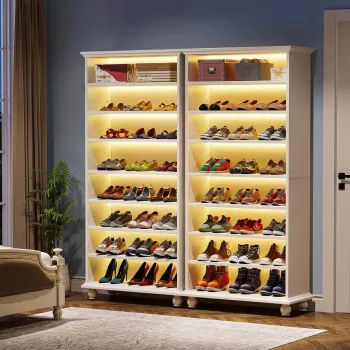
How many pairs of shoes can a 9-tier tall shoe storage cabinet hold?
A 9-tier tall shoe storage cabinet typically holds about 18 pairs of shoes when each tier fits two pairs. That estimate assumes standard adult shoes (like sneakers, flats, and low-profile casual shoes) placed toe-to-heel to maximize space.
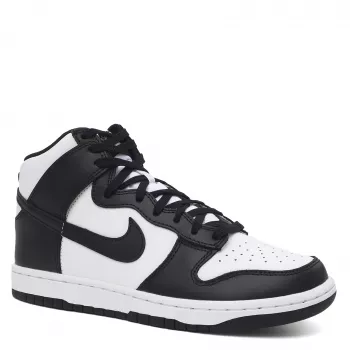
In real life, capacity can range from roughly 12 to 24 pairs depending on the cabinet’s shelf width and how bulky your footwear is. Larger men’s shoes, high-top sneakers, chunky trainers, or boots take up more room and may reduce how many pairs fit comfortably per tier.
What affects the real capacity?
Shoe type and bulk: Slim flats or sandals can often be arranged more tightly, sometimes squeezing an extra pair onto a shelf. On the other hand, heavy running shoes, work shoes, or wider sizes may mean you only get one pair per tier (about 9 pairs total) if you want easy access without scuffing.
Tier height and adjustability: Some tall cabinets use fixed shelf heights, while others allow small adjustments. If a couple of tiers can be reconfigured to accommodate taller shoes, you may sacrifice overall pair count for better organization.
How you store them: Keeping shoes side-by-side is the simplest approach. Using slim shoe organizers, alternating heel-to-toe, or storing seldom-worn pairs in dust bags can help improve fit and keep pairs together, but it won’t magically expand shelf width.
A practical way to estimate for your entryway
Count on 2 pairs per tier as a safe starting point (about 18 pairs total). If your household has mostly kids’ shoes or lightweight flats, you might reach the low 20s. If you’re storing boots or wide athletic shoes, plan closer to the mid-teens, and reserve one tier for taller pairs if needed.
For sizing details and a closer look at features designed for compact spaces, see the full guide here: 9-tier tall shoe cabinet guide.
FAQ
Can a 9-tier shoe cabinet fit boots or high-top sneakers?
Yes, but boots and high-tops usually reduce capacity because they need more vertical clearance and take up more shelf depth. Many people dedicate one or two tiers to taller pairs and use the remaining tiers for standard shoes.










Leave a comment