Homework Routine: A Simple After-School Plan That Works
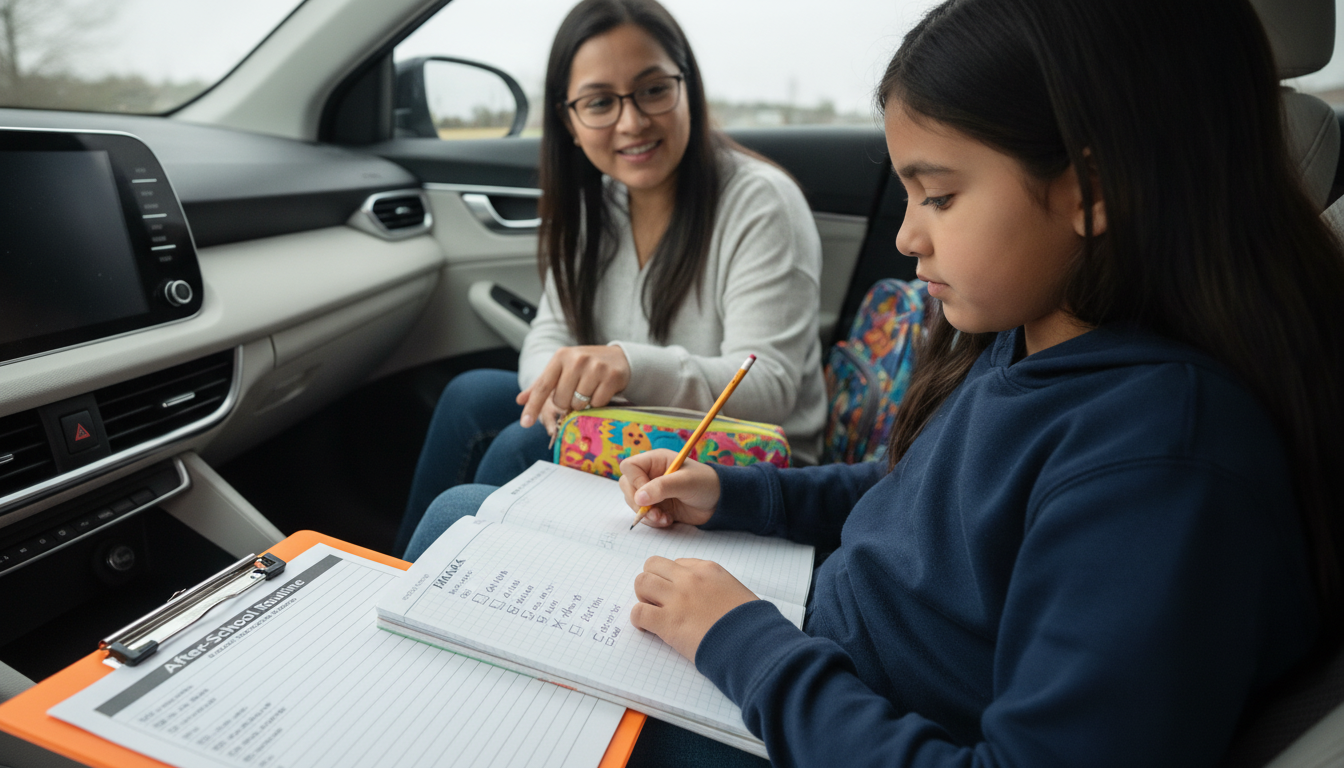
How to create a homework routine?
A solid homework routine is less about strict rules and more about making schoolwork predictable. Start by choosing a consistent time window that fits your child’s energy—many kids do best after a snack and a short break, while others focus better after dinner. Aim for the same general start time on school nights so it becomes automatic.
Next, set up a simple “home base” for homework: a clear surface, good lighting, and the basics (pencils, paper, charger, calculator) within reach. Reduce distractions by putting phones in another room (or using a designated “parking spot”) and keeping the TV off. If noise helps, try low, lyric-free music.
Build the routine in small steps:
- Reset: 5–10 minutes to eat, hydrate, and decompress.
- Plan: Review assignments, estimate time, and pick a first task.
- Work blocks: 20–30 minutes of focus, then a 3–5 minute break.
- Check-in: Quick review for completeness and backpack packing.
Make the first task an “easy win” (like finishing a worksheet or opening the textbook to the right page) to lower resistance. For longer projects, break them into mini-deadlines (research today, outline tomorrow, draft later) and write the next step on a sticky note so it’s obvious where to start.
Finally, decide what help looks like in your home. Agree on a signal your child can use (raising a hand, a note card) so you don’t hover, and set a quick parent check-in time. If you want more ideas for calm, consistent habits, see the full guide here: homework help for parents: calm routines and study habits.
For Homework Routine: A Simple After-School Plan That Works, the best answer depends on fit, material, care instructions, and how the product will be used day to day.
FAQ
What should you do when homework turns into a nightly power struggle?
Lower the temperature first: pause, reset with a short break, and restart with one small, clearly defined task. Offer limited choices (where to sit or which assignment to start) and keep consequences consistent and calm.













Leave a comment