Ultralight Aluminum MTB Pedals: Strength vs Trail Abuse
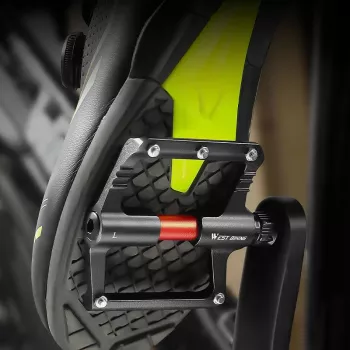
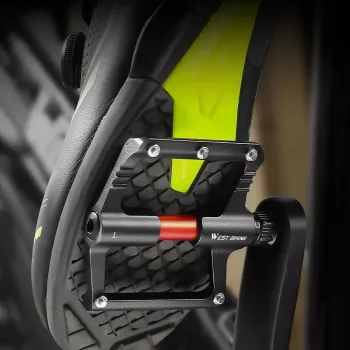
Are ultralight aluminum bike pedals strong enough for mountain biking and trail use?
Often, yes—ultralight aluminum pedals can handle mountain biking and trail riding when they’re built with the right alloy, a solid spindle, and quality bearings. The catch is that “ultralight” can mean very different things across brands: some pedals save weight through smart machining and strong materials, while others get light by removing too much structure, which can shorten their lifespan on rocky terrain.
What makes an ultralight aluminum pedal strong (or not)
Strength comes down to a few core parts. The pedal body material matters, but the spindle typically matters more for real-world durability. A heat-treated chromoly or high-grade steel spindle generally resists bending better than budget spindles, especially when you clip rocks or land awkwardly. The body design also plays a role: thicker edges, reinforced corners, and a well-supported platform survive repeated pedal strikes far better than thin, hollowed-out designs.
How trail riding stresses pedals
Mountain biking loads pedals in multiple ways: constant impacts from roots and rocks, lateral forces during cornering, and sudden high loads from drops or hard pedal strokes. Ultralight aluminum bodies can hold up well for smoother trails and general singletrack, but aggressive riding increases the chance of cracked corners, dented edges, or damaged threads—particularly after repeated rock strikes.
When ultralight aluminum is a good choice
If the trails are mostly flowy, you ride with good line choice, or you’re optimizing a lightweight build for long rides, a reputable ultralight aluminum pedal can be a strong fit. Look for replaceable pins, sealed bearings, and a proven spindle material. Also consider platform size: a slightly larger platform can distribute force better and reduce localized stress.
When to consider a heavier pedal
If your rides include frequent pedal strikes, bike-park laps, or big hits, a slightly heavier pedal with more material around the leading edges usually lasts longer. Riders who regularly bash pedals into rocks often benefit from a burlier body design and a robust spindle—even if it costs a few extra grams.
For deeper guidance on what to look for and how different designs compare, see the full breakdown here: https://evanele.com/are-ultralight-aluminum-bike-pedals-strong-enough-for-mountain-biking-and-trail-use/.
FAQ
What’s the difference between aluminum and composite (nylon) mountain bike pedals?
Aluminum pedals typically feel more rigid and resist gouging better, while composite pedals can slide over rocks more easily and may be less likely to dent. Composite models vary widely; higher-quality options can be very durable, but cheap composites can wear faster at the edges and around the bearings.













Leave a comment